RE:harvest – ASEM SMEs Eco-Innovation Center
P4G Theme
Food Loss and Waste Reduction
SDG
Status
Completed
Countries of Operation
Supported By
About
The RE:harvest – ASEM SMEs Eco-Innovation Center (ASEIC) partnership directly reduces food waste issues and mitigates carbon emissions in Indonesia by upcycling beer by-products and other related by-products into nutritious alternative products.
Investing in Impact
P4G awarded the partnership with US $385,000 in grants across two rounds of funding in 2021 and 2024.
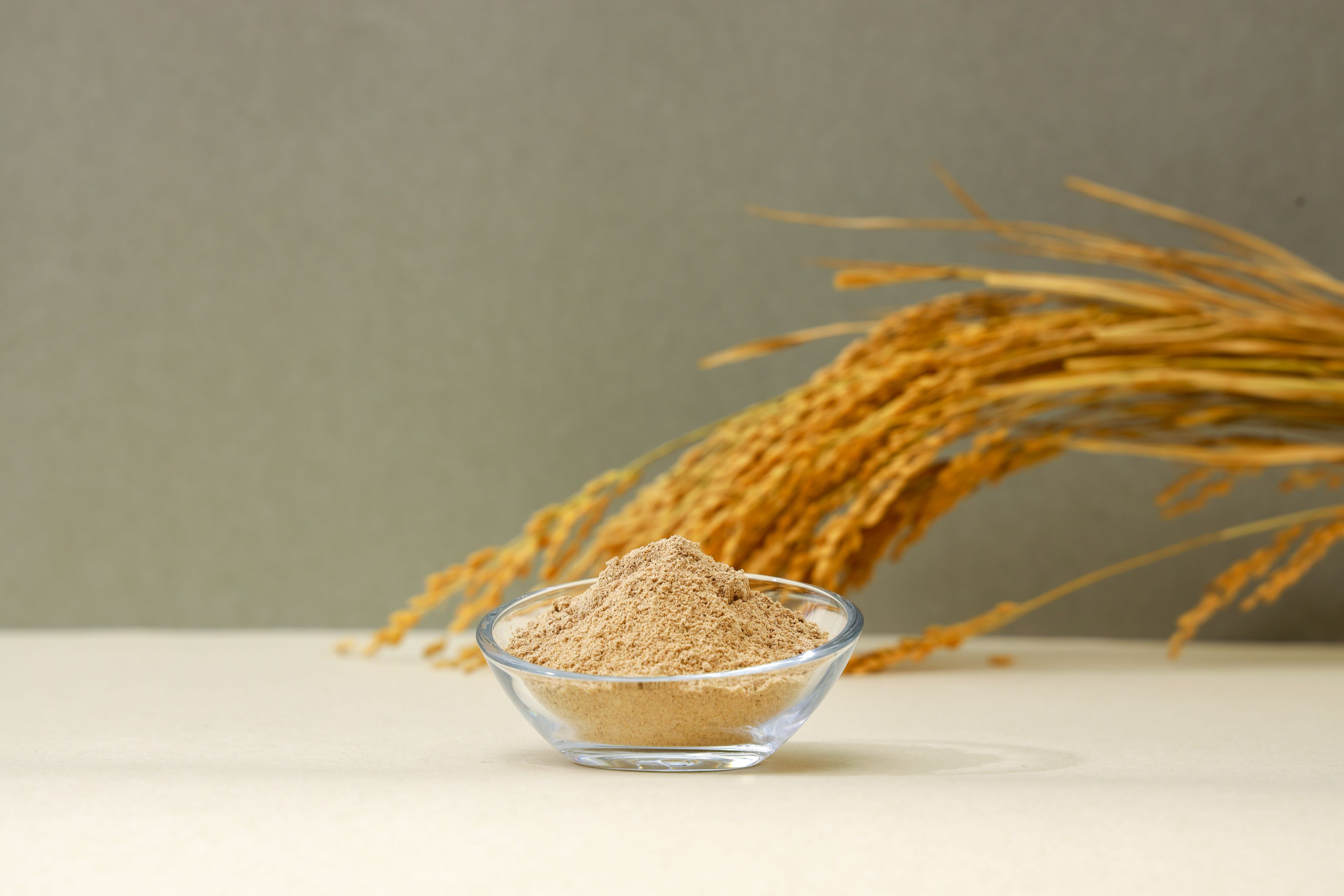
RE:harvest upcycles Brewers’ spent grain (BSG) and related grain-based by-products into nutritious products such as alternative flour or energy powders that can be used in consumer food products such as granola bars and bakery items. Despite its high nutritional content, BSG remains largely unused and constitutes a major by-product of the brewing process. The process of upcycling BSG prevents tons of food waste from entering landfills while benefiting the environment. According to an internal analysis, the production of 1 kg of flour saves 11 kg of carbon emissions, 3.7 tons of water and diverts 3 kg of food waste.
RE:harvest offtakes Multi Bintang brewery’s beer byproduct to upcycle it. This diverts waste from landfill and helps the brewery meets its sustainable targets.
Key Achievements
- Raised about US $145,000 in concessional investment
- Diverted 100,000 tons of food waste from landfill
- Successfully received an Upcycled Food Association (UFA) certification for malt powder, carrot powder, wheat bran and kale powder
- Received AA grade in Inno-Biz certification from the Ministry of SMEs and Startups in the Republic of Korea
The startup tested several products using its upcycled flour with cookies receiving the most positive response. The cookies were added to a restaurant partner’s menu and RE: harvest is working on producing them in a ready-to-eat format that is geared for B2B and B2C audiences. The advantage of these products is they can be sold without Halal or BPOM certification.
Since Indonesia is a new market for RE:harvest, the startup raised consumer awareness about its brand through different marketing channels. Activities included a Bahasa Indonesian website with details on its products, and partnerships with influencers who tried its products and shared information on food upcycling. RE:harvest has also participated in multiple international events across Asia.
Certifications were a key focus of the work during the grant period. RE:harvest successfully received an Upcycled Food Association (UFA) certification for several of its products including malt powder, carrot powder, wheat bran and kale powder. The U.S.-based UFA certification is a globally recognized label for value-added products made with by-product. RE:harvest also received AA grade in Inno-Biz certification from the Ministry of SMEs and Startups in the Republic of Korea – a certification that makes them eligible for low-interest loans and prioritizes them in government support programs.
BPOM and Halal certification continue to be challenges for RE:harvest and the strategic pivot to premixed products, and Korean Muslim Federation certification allowed RE:harvest to sell its products and pursue partnerships with OEMs in Indonesia.
During the grant period, RE:harvest established a local corporation to manage in-country activities. This will be critical to long-term success in Indonesia and will help build trust with local stakeholders.
RE:harvest is also exploring options for diversifying its portfolio of upcycled products in Indonesia to both food and non-food items.
Key learnings include:
- Factor lengthy timelines for product certification: Highly regulated sectors like food have lengthy timelines for certifications.
- Better assessment country-specific risks during the due diligence phase: In addition to certification hurdles, the startup also encountered challenges while trying to build a production facility that meet all the standards required in Indonesia. A more thorough due diligence of country-specific requirements is critical for realistic planning.
During the P4G funding period, RE:harvest raised about US $145,000 in concessional investment and diverted 100,000 tons of food waste from landfill.
The partnership comprised the following partners: RE:harvest (lead business partner); ASEM SMEs Eco-Innovation Center (ASEIC) (lead commercial partner); PT. Multi Bintang, PT. Inko Jaya Group.
Partners
.png)