MYCL – ASEIC
About
The MYCL – ASEIC partnership will transform agricultural waste into high-value products such sustainable vegan leather, soil enhancers and pellets.
Investing in Impact
P4G has awarded the partnership with about US $440,000 in grants across two rounds of funding.
Indonesia produces over 100 million tons of agricultural waste annually, much of which is burned in open fields, contributing significantly to carbon emissions. The failure to repurpose these valuable byproducts results in economic losses equivalent to 4-5% of Indonesia’s annual GDP.
MYCL, an Indonesian startup, has developed proprietary technology to convert agriwaste into high-quality products, including vegan mycelium leather and soil enhancers that improve farm yields.
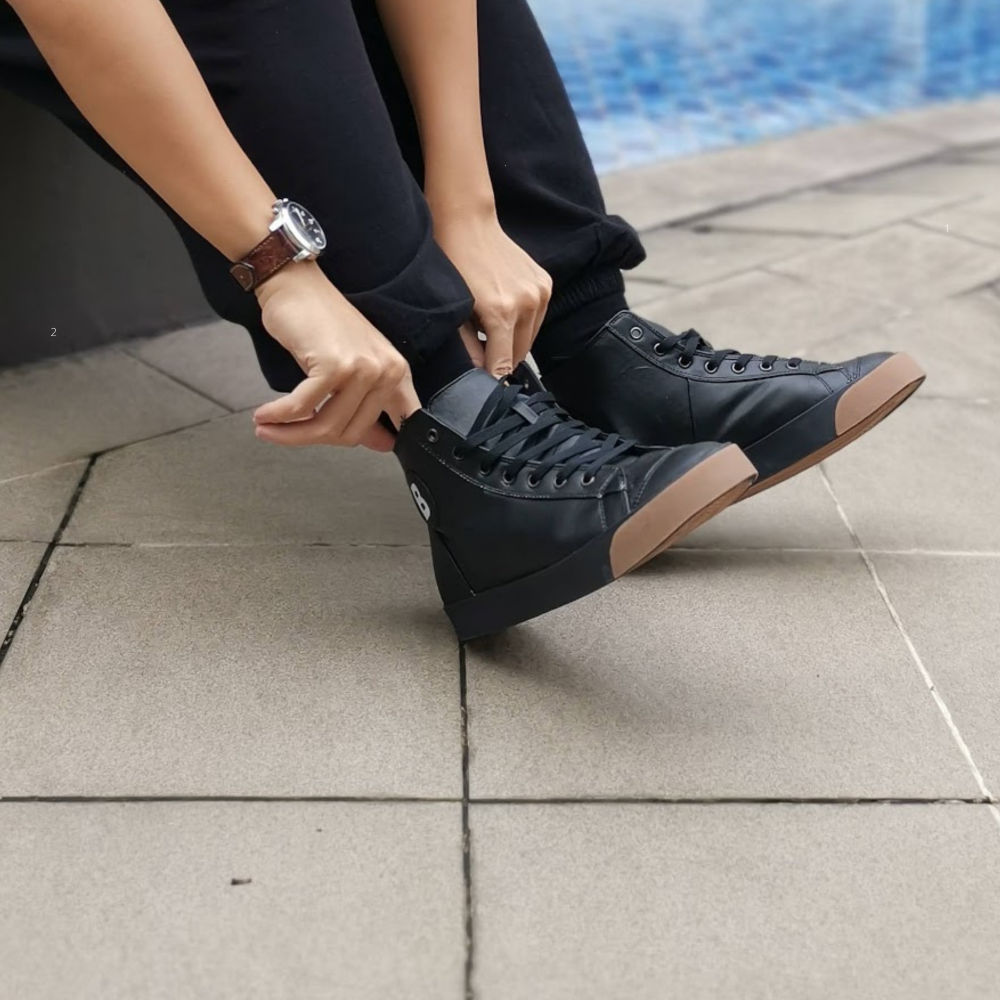
Mycelium, a leather-like material with a negative carbon footprint, can be used in car upholstery, footwear, jackets and bags. With a growing customer base of over 750+ clients, MYCL is expanding partnerships with major brands in the fashion and automotive industries. The startup is well-positioned to tap into the 13,000% supply gap in the global mycelium leather market.
This startup provides multiple benefits, including boosting farmer incomes by enabling them to sell agricultural waste, reducing carbon emissions by discouraging waste incineration, and promoting a more sustainable leather industry that consumes less water and minimizes environmental impact.
MYCL is focusing its efforts on Aceh Tamiang, Indonesia, home to endangered species such as orangutans, tigers and rhinos, where it works with smallholder farmers to transform unused palm oil plantation waste into sustainable leather, creating new income streams, job opportunities and significantly lowering emissions. The startup remains committed to training the local community and developing new products to its line.
During the partnership period, MYCL will establish a raw material hub to support the production of mycelium leather, soil enhancers, and pellets. The startup has identified a local partner to conduct a feasibility study to determine an appropriate site. Additionally, the company will process 20% of existing waste into value-added products, maximizing resource efficiency. To ensure long-term sustainability, MYCL will also develop training programs aimed at enhancing farmer capacity in sustainable production, equipping them with the necessary skills to contribute to a circular economy. The training modules are currently in development and training will begin once the raw material hub is complete.
MYCL successfully doubled annual production capacity at its Bandung facility, increasing output from 4,000 sq ft/year to 10,000 sq ft/year. This was achieved because of new production equipment, improved training and operational efficiency.
ASEM SMEs Eco-Innovation Center (ASEIC) will support MYCL in obtaining necessary certifications that establish the products as compliant with international quality and environmental standards. MYCL already has its B Corp certification and aims to obtain its ISO 9001, OEKOTEX Certification and REACH Compliance. The partnership is currently collecting information from accredited testing institutions to determine the scope and cost of required tests. The partnership will also publish a sustainability report in 2026 to demonstrate its Environmental, Social and Governance practices.
To explore market expansion feasibility and better understand market preferences, MYCL attended several global fashion events, including Hong Kong Fashion 2025, the Venice Biennale 2025, NextRise Seoul 2025 and London Climate Action Week 2025, and met with several prospective collaborators. In collaboration with a design partner from Italy, MYCL introduced MycoBlox, a mycelium-based load-bearing building material that uses agricultural waste.
MYCL has been steadily growing its client base and had secured 142 orders from B2B and B2C partners in 2024 and increased its base by 117% to 309 in 2025, primarily from Singapore, Indonesia, Japan and the United States. The revenue double down with gross margin improved to 68%.
As part of its commercialization and client relations strategy, MYCL will work with customers to develop 3 – 6 new products across a range of pricing tiers. The startup will also upgrade its digital sales infrastructure, publish a design library, and collaborate on pop-ups with partner brands in Japan.
MYCL’s investment readiness priorities in the pipeline include completing financial audits, standardizing supplier contracts, upgrading its financial modeling, completing the investor data room, and certifying staff in carbon credit valuation and developing a carbon credit roadmap.
MYCL was a finalist in the Earth Shot prize spearheaded by Prince William.
As part of strengthening the enabling environment for mycelium-based products, MYCL participated in discussions with Indonesia’s National Research and Innovation Agency to explore the steps for establishing an Indonesian national standard for such products. The startup also met with stakeholders to discuss innovative financing mechanisms and de-risking investments to accelerate investments in this sector.
MYCL aims to raise US $4 million in investment during the funding period. Through its activities, it will reduce carbon emissions by about 250,000 metric tons and prevent almost 20,000 kilograms of waste from going to landfills.
The partnership comprises the following partners: MYCL (lead business partner); ASEIC (lead administrative partner).
Partners
.png)